The Virgin River in Zion — the engine that carved all of this. Wading into The Narrows is one of the most distinctive hiking experiences in the American West. Wet shoes, entirely worth it.
Route 9 from the east into Zion is one of the great scenic drives in the American West, and it deploys its revelations in sequence, the way a skilled writer deploys information — giving you just enough to understand what's coming, withholding the main event until the moment of maximum impact. The road crosses a high plateau of cream-coloured slickrock, drops through piñon and juniper, and then arrives at the first revelation: Checkerboard Mesa.
Checkerboard Mesa is a vast dome of Navajo Sandstone, six hundred feet high, its surface cross-hatched by two intersecting sets of fractures into a geological grid that is as precise and regular as anything a builder would produce. Horizontal cracks caused by the rock expanding and contracting with temperature changes. Vertical cracks caused by the dome's overall curvature. Together, they produce a surface that genuinely looks like a massive, naturally occurring checkerboard. It is strange and beautiful and deserves more than the passing glance most visitors give it while braking before the entrance station.
The Mount Carmel Tunnel follows — bored through the canyon wall between 1927 and 1930, nearly a mile long, with windows cut at intervals that offer brief, startling glimpses of the canyon during the transit. And then the road exits the tunnel and drops through steep switchbacks into Zion Canyon, and the walls close in — two thousand feet of Navajo Sandstone on both sides, coloured everything from cream at the upper tiers to red at the base, narrowing the sky to a stripe of blue above, and the effect is not claustrophobic but the opposite: welcoming, sheltered, the sensation of arriving somewhere rather than merely passing through.
The name is from the Hebrew — Zion, meaning refuge or place of safety — applied by early Mormon settlers in the 1860s who found in this canyon the sanctuary the name implied. Before them, the Ancestral Puebloans had lived in the canyon walls for centuries, and before them the Southern Paiute people had known this place for millennia. The Virgin River, running clear and cold at the canyon floor, carved all of it — the entire two-thousand-foot vertical profile, carved by a river that averages forty feet wide. Given enough time, water is patient enough to make this seem reasonable.
We hiked the Kayenta Trail and the Emerald Pools trails — lower, middle, and upper pools fed by seeping water from the canyon walls, hanging gardens of fern and columbine and maidenhair on the wet cliff faces. Then the Narrows: the Temple of Sinawava, where the canyon road ends and the Virgin River begins, and you walk directly into the river between walls of sandstone narrowing from hundreds of feet apart to sometimes twenty, the water cold at knee height, the walls rising a thousand feet and closing the sky to a ribbon above. We went as far as conditions allowed, turned back when the water deepened beyond sensible wading, and emerged with wet shoes and the specific satisfaction of a physical commitment kept. Wet shoes were worth every step.
Dinner in Springdale, the small town at Zion's western entrance, which has developed around the park with the grace of a place that has thought carefully about its identity. We ate well and planned the next two days: a six-hundred-mile drive north to the Grand Tetons, split across two days, the landscape moving from red desert to high mountain green in a transition that felt, as we drove it, like a film cut between two entirely different films.
"The Virgin River carved all of this — the entire two-thousand-foot vertical profile, carved by a river forty feet wide. Given enough time, water is patient enough to make this seem reasonable."
Photography Notes — Episode Fourteen
Conditions: Variable cloud, morning clear, afternoon building. The Narrows: interior canyon, heavily backlit from above. Cool temperatures in the river.
The Narrows — waterproofing is non-negotiable: Waterproof housing or a quality dry bag for your camera body. The water is cold and unpredictable, and a stumble will wet whatever is not protected. Consider a compact mirrorless with a weather-sealed body over a large DSLR for this hike.
The wading perspective: Shoot from knee height — literally crouch in the water or position the camera at water level. The perspective from water surface up the canyon walls is qualitatively different from the standing view. The reflections on the water surface become foreground elements.
Backlit canyon mouth: The entrance to The Narrows, where the canyon narrows dramatically and the sky becomes a sliver, produces extreme backlighting — the walls in shadow, the sky behind blown out. Expose for the walls and let the sky overexpose, or use a graduated ND. The blown-sky look can actually work here, communicating the extreme luminance difference of the environment.
Checkerboard Mesa — two scales: Close detail (a 100mm or macro lens on the cross-hatch texture of the surface) and wide landscape showing the dome in full against the sky. You need both to tell the geological story. The wide shot shows what it is; the close shot shows why it's extraordinary.
Angels Landing permit: Now requires an advance permit ballot — apply through recreation.gov. The elevated perspective it provides (over a thousand feet of vertical gain, with chain-assist on the final section) is among the best elevated viewpoints in any national park. Worth planning for.
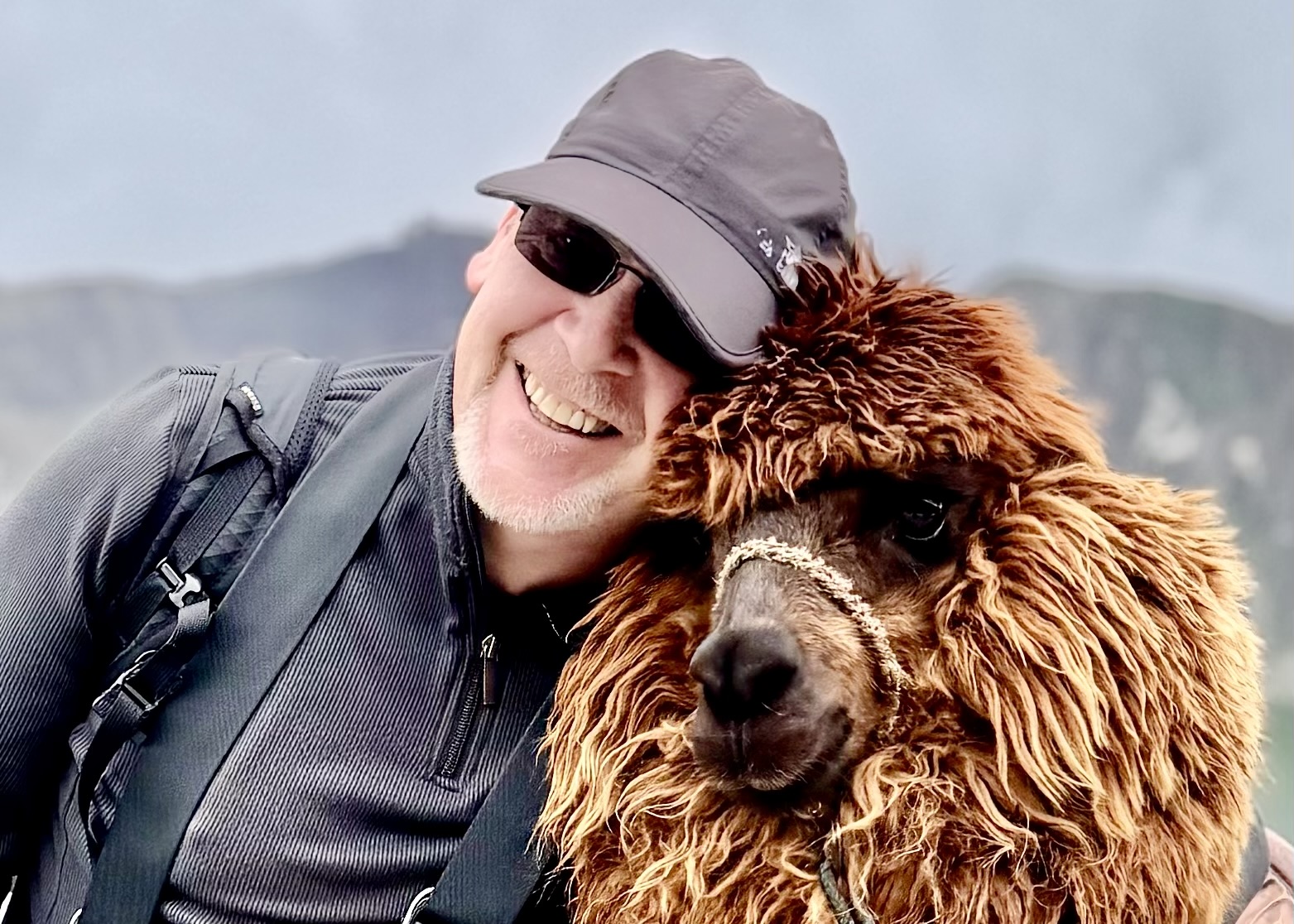
A native of Scotland and an award-winning Creative Director who has honed his skills at some of the most prestigious advertising and design agencies in both the UK and the US. His dynamic approach to creativity has earned him accolades and awards, but it’s his personal pursuits where his true artistry shines. An avid adventurer, Robbie finds peace and solace hiking and exploring the great outdoors. These days it’s through photography that he channels his passion for creativity and artistic vision, capturing the essence of nature’s beauty. His vibrant images reveal the intricate play of natural light, amplifying the allure of his subjects and offering viewers a fresh perspective on the world around them. Robbie resides in Boston, Massachusetts, and embarks on extensive travels throughout the United States and beyond.