We woke at the Sioux Falls Walmart in the quiet hour before the store traffic began — the particular silence of a large car park before the world has decided to use it — made coffee on the van's propane stove, and bought breakfast inside with the comfortable purposelessness of people who have nowhere to be at any particular time and are still surprised to find this is true. Then we pointed the van east, and began the long subtraction of miles.
Seven hundred and twenty-five miles on Day One of the return: South Dakota across the Missouri River, Iowa, Indiana, Michigan. The grain towers again, constant companions through the Midwest, marking settlements the same way they had on the way out, announcing themselves on the horizon miles before you reached them and staying in the mirrors miles after you'd left. We had, by now, a complex and affectionate relationship with grain towers. They were the motif of the journey. They were everywhere the American interior needed to communicate that people lived here and produced things and fed other people. We would miss them, probably, and then get home and not think about them for years, which is the correct relationship to have with grain towers.
Night in Sturgis, Michigan — not the famous Sturgis, not the one where motorcycle rallies happen, but the Michigan one, which makes no particular claim to fame and provides, at the Walmart there, a perfectly serviceable overnight stop. Of all the places the road had taken us in the past three weeks, this was unambiguously the least scenic. We slept excellently.
Final day: seven hundred and twenty-five miles. Indiana, Ohio, Pennsylvania, New York state, Connecticut, Massachusetts. We stopped only for fuel, eating from the van's provisions, crossing state lines with the accumulating momentum of people who can see the end and want to reach it. We arrived home at 12:30 in the morning, exhausted in the specific and pleasant way that you are only after you have done something that was worth doing.
The van sat in the driveway, mud on the wheel arches from Antelope Flats campground and fine sand from the Badlands in the door seals. The cassette toilet was full. The grey tanks were clean. The water tank was nearly depleted. The memory cards were full.
Here is what is on those cards: the red fins of Garden of the Gods catching morning light at Colorado Springs. The involuntary wonder of the Great Sand Dunes appearing against snowfields. Delicate Arch over the rim of its sandstone bowl, theatrical and inevitable. Canyonlands at full dark, the Milky Way above the canyon. The precise horseshoe of the Colorado River one thousand feet below. The flowing walls of Antelope Canyon, stone remembering water. Bison moving across the sagebrush plains of Jackson Hole, the Tetons rising behind them without preamble. The Moulton barn at Mormon Row against a sky that exceeded its own ambitions. Devils Tower rising from green farmland with the confidence of something permanent. The Badlands at sunrise, the buttes going from grey to gold to fire in twenty minutes. A hundred sunsets the camera almost, but never quite, captured.
And here is what is not on those cards: the cold of a canyon at night, when the stone releases the day's heat and the air drops twenty degrees in an hour and you are suddenly, physically, in geological time. The weight of desert silence at three in the afternoon on a mesa with no other people within five miles. The improbable kindness of the woman at the fuel station in Interior who worked through the geography of Scotland in real time and liked us for where we were from. The bugle call at sunset over Cheyenne Mountain and a hillside full of prairie dogs. The way a landscape looks when it has been there three hundred million years and has no interest in your schedule and no opinion about your presence and no need to make itself more legible for you. You accommodate it or you don't. It will be there either way.
Here is what we believe, having covered seven thousand five hundred miles and spent four weeks sleeping in a van and standing in front of things we could not have imagined from home: travel is not, ultimately, about the photographs. The photographs are proof that you were paying attention. They are the residue of attention, fixed in light. But the thing that changes you — the thing that is still operating in you months later, rearranging your sense of proportion and scale and what the world contains — is not the image. It is the moment before you raise the camera, when the scene is still just happening, and you are still just a person standing in it. Before the composition decision. Before the exposure calculation. Before any of the learned apparatus of photography has engaged. That is the shot that exists nowhere except inside you. It cannot be shared, uploaded, exported, or printed. It is the one you carry.
“Keep going. The road is patient”.
Shots From the Road: A Photographer's Journey Across the American West Copyright © 2026 Robbie MacDonald All rights reserved. All photographs, text, and travel accounts contained within this volume are the original work of the author and remain his exclusive property. No part of this publication may be reproduced, distributed, or transmitted in any form or by any means, including photocopying, recording, or other electronic or mechanical methods, without the prior written permission of the author, except in the case of brief quotations embodied in critical reviews and certain other non-commercial uses permitted by copyright law. First published: North Andover, Massachusetts, 2026
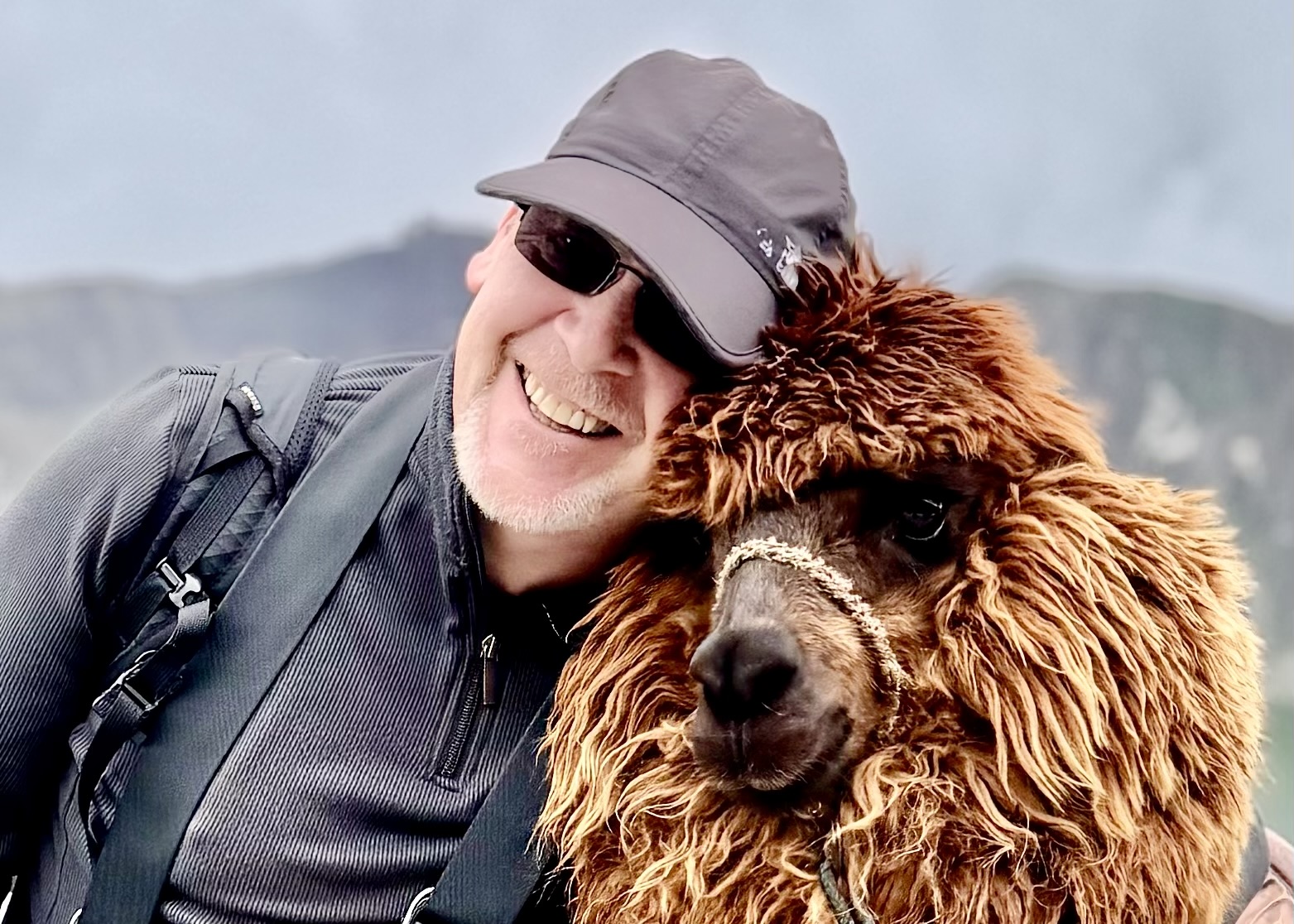
A native of Scotland and an award-winning Creative Director who has honed his skills at some of the most prestigious advertising and design agencies in both the UK and the US. His dynamic approach to creativity has earned him accolades and awards, but it’s his personal pursuits where his true artistry shines. An avid adventurer, Robbie finds peace and solace hiking and exploring the great outdoors. These days it’s through photography that he channels his passion for creativity and artistic vision, capturing the essence of nature’s beauty. His vibrant images reveal the intricate play of natural light, amplifying the allure of his subjects and offering viewers a fresh perspective on the world around them. Robbie resides in Boston, Massachusetts, and embarks on extensive travels throughout the United States and beyond.