Horseshoe Bend is a perfect horseshoe meander of the Colorado River, one thousand feet below the canyon rim, and the first thing it does when you see it from above is activate every primitive instinct your body possesses. The edge is close. The drop is vertical and complete. One thousand feet is an abstract number until you are standing at the top of it, at which point it becomes an extremely concrete number with an immediate and personal relevance that your legs communicate before your brain has finished processing the view.
The Colorado River, having looped through its perfect three-hundred-and-seventy-degree bend over millions of years of patient erosion, sits at the bottom in a colour of blue-green that seems implausible against the red canyon walls — turquoise verging on aquamarine, the river's suspended sediment load creating a colour that belongs, aesthetically speaking, in a swimming pool catalogue rather than at the bottom of a desert canyon. The combination of vertical cliff, turquoise river, and geometric perfection of the meander makes this one of the most visually arresting overlook views in the American Southwest.
Drones are prohibited at Horseshoe Bend. We used a GoPro for wide environmental context — its ultra-wide field captures the full sweep of the meander in a single frame that any standard lens struggles with — and the DSLR for considered compositions of the canyon walls and river. Finding the less standard angle requires some walking along the rim, east and west of the main overlook, to find perspectives that the thousands of other visitors at the central viewpoint are not shooting simultaneously. The reward is modest but genuine.
Glen Canyon Dam, a few miles up the road, is a structure of genuine engineering audacity: a concrete arch-gravity dam seven hundred and ten feet high, built between 1956 and 1966 by the Bureau of Reclamation, creating Lake Powell — one of the largest man-made reservoirs in the United States with a capacity of 24.3 million acre-feet. The dam is named for John Wesley Powell, who in 1869 led the first known expedition by European Americans down the Colorado River through the Grand Canyon — a journey of over nine hundred miles completed in wooden boats, with incomplete maps and no certainty of survival. Powell was, by the accounts of his own journals, a remarkable man. The lake that bears his name sits above the Glen Canyon that was submerged when the dam was filled — a canyon that those who saw it before the water rose describe as among the most beautiful in the American Southwest. The complexity of what was gained and what was lost is one of the honest complications of western water management, and it sits in the landscape whether or not the visitor signs acknowledge it.
We camped at Beehives Campground — rustic boon-docking at fourteen dollars a night, in a landscape of sandstone formations eroded into shapes that require little imagination to see as beehives. Perfect. Entirely and simply perfect.
"One thousand feet is an abstract number until you are standing at the top of it, at which point it becomes extremely concrete and immediately personal."
Photography Notes — Episode Thirteen
Conditions: Morning at Horseshoe Bend — best overlook light in early morning before the canyon fills with direct sun. Afternoon at the dam — harsh light on concrete surfaces.
Horseshoe Bend — the standard composition: Wide-angle (16–20mm), directly over the rim, maximum depth of field (f/11–f/16), include both canyon walls to frame the river meander. It is a standard composition because it is the correct one. Execute it well rather than looking for a radical alternative.
The vertical scale problem: No photograph adequately communicates the thousand-foot drop. The best approach is to include a human figure at the rim — a small, recognisable silhouette against the canyon interior tells the story more effectively than any technical solution.
No drone — the GoPro solution: The GoPro's ultra-wide (approximately 149 degrees) captures the full meander in a single frame. Use it for environmental context and the DSLR for detail and intentional composition. They are complementary, not competitive.
Early morning arrival: The main overlook at Horseshoe Bend is extremely popular. Early morning (before 8:00 am) provides cooler air, better directional light on the canyon walls, and a manageable crowd. By 10:00 am in spring, it is busy. By noon in summer, it is, by all accounts, significantly worse than that.
The dam as geometry: The concrete arch of Glen Canyon Dam against the sandstone canyon walls is a strong compositional subject — the industrial geometry of the dam incongruous with and yet rhyming with the organic geometry of the canyon. Shoot from the bridge above for scale, or from the canyon base (tours available) for the full vertical height.
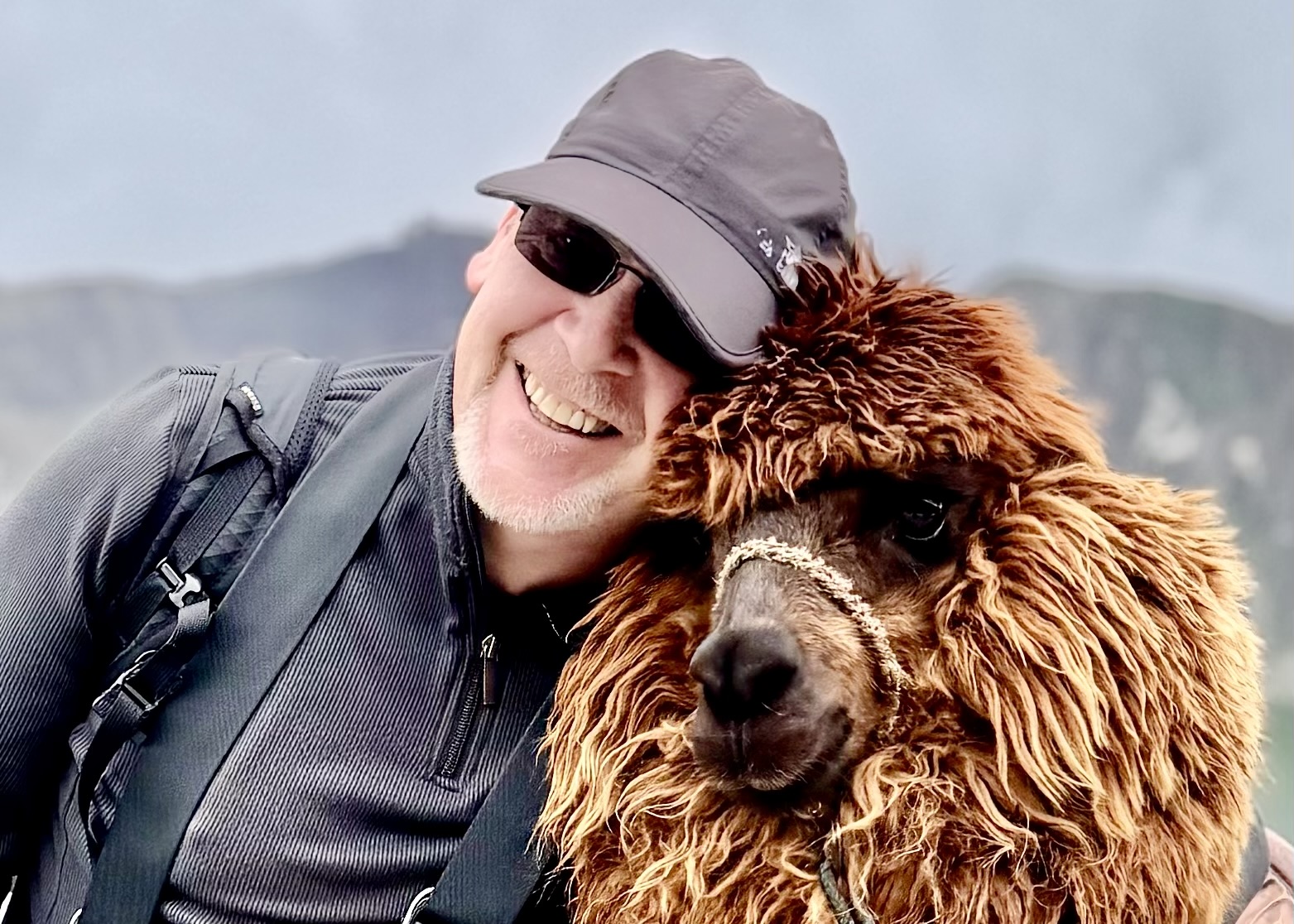
A native of Scotland and an award-winning Creative Director who has honed his skills at some of the most prestigious advertising and design agencies in both the UK and the US. His dynamic approach to creativity has earned him accolades and awards, but it’s his personal pursuits where his true artistry shines. An avid adventurer, Robbie finds peace and solace hiking and exploring the great outdoors. These days it’s through photography that he channels his passion for creativity and artistic vision, capturing the essence of nature’s beauty. His vibrant images reveal the intricate play of natural light, amplifying the allure of his subjects and offering viewers a fresh perspective on the world around them. Robbie resides in Boston, Massachusetts, and embarks on extensive travels throughout the United States and beyond.