Antelope Canyon — Navajo Sandstone smoothed by five million years of flash flooding and abrasion into something that looks less like rock and more like frozen sound.
Page, Arizona was purpose-built: established in 1957 to house the workers constructing the Glen Canyon Dam, a company town planted in the desert by the Bureau of Reclamation and left to grow into something more permanent. It has — a small city now, a hub for the canyon tourism industry that has grown around the extraordinary geological features on its doorstep. Of those features, Antelope Canyon is the most visited, the most photographed, and the most difficult to adequately explain.
Antelope Canyon is a slot canyon — a narrow, winding passage cut through Navajo Sandstone by flash flooding over a period of five to six million years. Flash floods, in canyon country, are not gentle: they arrive as walls of water carrying abrasive sand at high velocity, and they have carved these passageways the way a blade carves wood — cutting, smoothing, polishing. The result is a corridor of rock that undulates in three dimensions, its walls curved and flowing and warm-toned, ranging from deep burgundy at the narrow base to pale peach at the upper opening, catching the light that falls from above and distributing it in ways that change continuously as the sun moves. The walls look like frozen liquid. They look like stone trying to remember being water.
Access is by guided tour only — a requirement that is not bureaucratic caution but genuine safety management. The slot canyons drain enormous catchments, and a monsoon rainstorm miles away can produce a flash flood in the canyon with essentially no warning. In 1997, eleven tourists were killed in Antelope Canyon in exactly these circumstances. The guides know the weather, know the canyon, and know when to leave. You go with the guides.
The photography challenges were several. The passageways are narrow — the tour group of twenty-odd people, all carrying phones and GoPros (GoPros were, technically, not permitted; enforcement was approximate), occupies the full width of the canyon at some points, which requires patience and strategic positioning to find clean angles. We worked with our guide to position ourselves at the front of the group for key sections, arriving at each chamber slightly ahead of the crowd and shooting quickly. The light quality in April differs from the famous summer condition: in July, beams of direct sunlight fall vertically through the slot opening and create the iconic visible light-shafts that have made Antelope Canyon globally recognisable. In April, the sun angle is lower and the effect is different — a softer, more diffuse luminosity, the walls glowing from ambient light rather than direct beams, subtler and in some ways more beautiful.
Behind the Shell station on the way out of Page, down a track that required brief uncertainty about whether we were trespassing, there is a shallow sand cave formed by the same water and wind erosion that created the slot canyons: a short, photogenic shelter of curved sandstone, popular with photographers who know it's there and completely invisible to the tourist trade. We knew it was there. We made use of it in the late afternoon light. This is the second time the trip rewarded prior homework.
"The walls look like frozen liquid. They look like stone trying to remember being water."
Photography Notes — Episode Twelve
Conditions: Interior canyon — no direct sky access from below, ambient light only. Extreme dynamic range between the lit upper opening and the shadowed lower walls. April light quality: diffuse glow rather than the summer light-shaft effect.
The April light — a different proposition: Summer's vertical light beams are iconic. April's diffused glow is subtler but arguably more workable — the tonal transitions between the lit upper walls and the shadowed lower walls are gradual rather than abrupt, making exposure management easier and colour gradients more nuanced.
Exposure bracketing: Bracket every key composition — three exposures at minimum, two stops apart. The dynamic range between the slot opening and the lower walls easily exceeds ten stops. Blend in post, or use the exposure that captures what most mattered to you in the moment.
Working with the guide: Communicate your intentions early. Guides have seen every photographic need and most are genuinely helpful if you explain what you're after. Position yourself at the front of the group at the entrance and move deliberately through each chamber to stay ahead of the crowd.
The Sand Cave: Wide-angle (16mm), close to the ground (six to eight inches), late afternoon light entering the cave from the opening at a shallow angle. The curved ceiling becomes a warm-toned amphitheatre. Shoot into the light for lens flare or shoot across it for texture on the sandstone surface. Both work.
What the camera cannot communicate: The temperature inside the canyon (cool and still, even in April). The silence. The texture of the walls — smooth as polished wood, warm to the touch. Acknowledge this limitation and then photograph anyway.
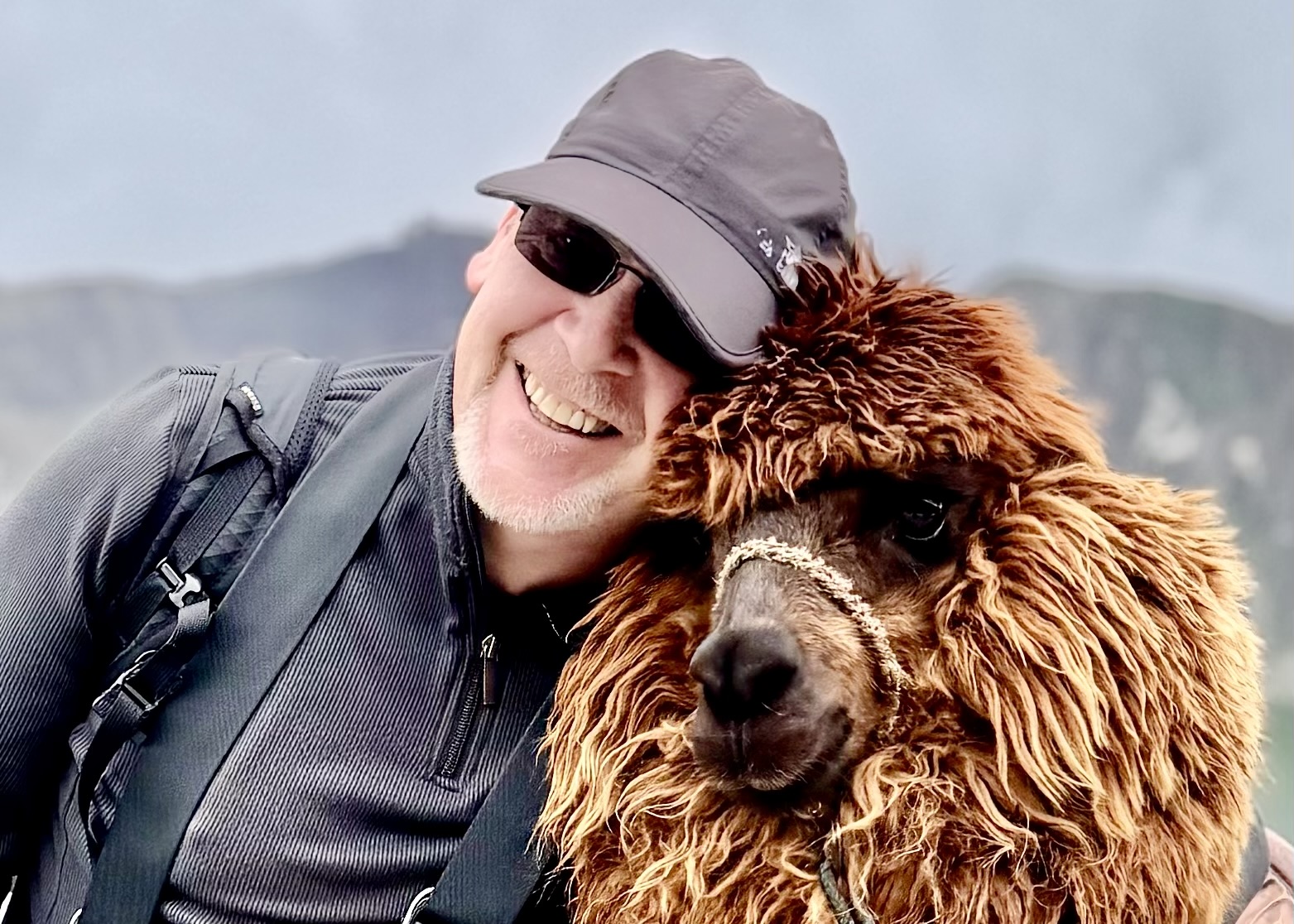
A native of Scotland and an award-winning Creative Director who has honed his skills at some of the most prestigious advertising and design agencies in both the UK and the US. His dynamic approach to creativity has earned him accolades and awards, but it’s his personal pursuits where his true artistry shines. An avid adventurer, Robbie finds peace and solace hiking and exploring the great outdoors. These days it’s through photography that he channels his passion for creativity and artistic vision, capturing the essence of nature’s beauty. His vibrant images reveal the intricate play of natural light, amplifying the allure of his subjects and offering viewers a fresh perspective on the world around them. Robbie resides in Boston, Massachusetts, and embarks on extensive travels throughout the United States and beyond.