The Grand Canyon from the South Rim — nearly 40 layers of sedimentary rock, spanning 2 billion years of geological history, in a single glance. No photograph has ever done it justice. This one won't either.
We should be honest with you. By the time we reached the Grand Canyon, we had been looking at extraordinary canyon landscapes for the better part of a week. Canyonlands. Arches. The Goosenecks. Monument Valley. Our capacity for awe had been doing heavy lifting, and while it had not failed — not exactly — it had developed the slightly glazed quality of a muscle worked beyond its normal range. We arrived at the Grand Canyon South Rim already canyoned out, which is a thing I never imagined would be possible and which I am slightly embarrassed to admit.
The canyon is, of course, magnificent. This goes without saying, but it requires saying anyway because the alternative is to imply that we were underwhelmed, which would be both wrong and absurd. The Grand Canyon is nearly eighteen miles wide at its widest point. It is a mile deep. Its walls expose nearly forty major sedimentary rock layers representing two hundred million to nearly two billion years of geological history, making the rocks at the bottom among the oldest exposed surfaces on Earth. To stand at the South Rim and look across and down is to look at geological time rendered in colour: cream Kaibab limestone at the rim, then the Red Wall limestone below that, then the Tonto platform, then the dark basement rocks of the inner gorge — a visual index of time so vast that the mind genuinely cannot process it and simply reports back "large and old and impressive."
It was busy, even in April. Not the shoulder-to-shoulder experience that high summer apparently provides — which, by all accounts, approaches a mild form of recreation-industry warfare — but busy enough that the contemplative experience requires some searching for. We found it, eventually, at the quieter overlooks east of the main visitor areas, where the crowds thinned and you could stand for five minutes without someone's phone appearing in your peripheral vision like an insistent proposal.
The photography challenge at the Grand Canyon is the haze. The canyon is so wide that the air between you and the far rim is a column of atmosphere — at midday, warm and convective, visually degrading the far walls to a washed-out grey. The canyon's colour and geological definition exist in inverse relationship to the distance you're photographing: the near walls are vivid, the far walls are ghost-like. Sunrise and sunset compress this problem by changing the light's angle, reducing the distance the light travels through the degrading atmosphere, and throwing lateral shadows that define the strata. We arrived in the afternoon. We wished for more time.
The night between Tuba City and Page was spent in a Walmart car park, which sounds worse than it is. Walmart car parks are the boon docker's most reliable fallback: level, lit, safe, and offering the mild social warmth of other vehicles engaged in the same pragmatic solution. We cooked, ate, and were grateful for the freedom to be precisely nowhere that required planning.
"We arrived already canyoned out, which is a thing I never imagined would be possible and which I am slightly embarrassed to admit."
Photography Notes —Episode Eleven
Conditions: Afternoon arrival — atmospheric haze significant across the width of the canyon. Midday to late afternoon light; not optimal for canyon photography.
Managing canyon haze: The most effective approach is to photograph earlier in the day, before the thermal convection column of warm air builds in the canyon. Blue hour (the 30 minutes before sunrise) offers a cool, still atmosphere that dramatically reduces haze and saturates the rock colours. We did not manage this; we wish we had.
Telephoto for geological strata: A 200–400mm lens, aimed at a specific section of canyon wall rather than the full panorama, allows you to compress and layer the visible rock strata visually — Kaibab above, Toroweap, Coconino, Hermit, Supai, Redwall in sequence, each band distinct. The geological column as a photograph rather than a diagram.
HDR for extreme dynamic range: The contrast between the lit rim and the shadowed inner gorge exceeds what a single exposure can capture. Bracket three to five exposures (at least 2 stops apart) and blend in post-processing. Be restrained — over-HDR'd canyon shots are one of the more common photographic crimes committed here.
The honest lesson: If you are driving this route, visit the Grand Canyon first. Do not save it for after a week of canyon country. It deserves your full, unexhausted attention. Route accordingly.
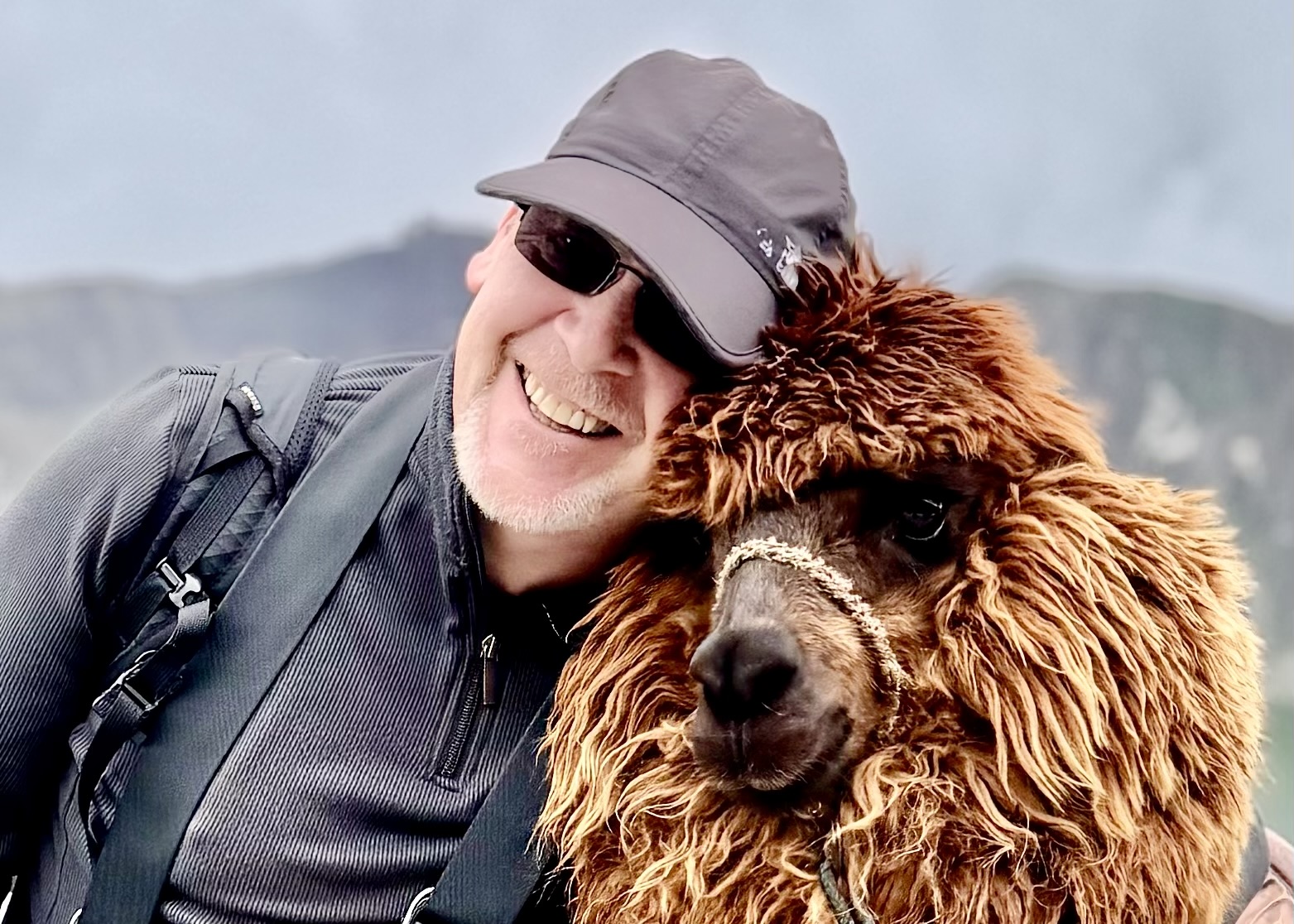
A native of Scotland and an award-winning Creative Director who has honed his skills at some of the most prestigious advertising and design agencies in both the UK and the US. His dynamic approach to creativity has earned him accolades and awards, but it’s his personal pursuits where his true artistry shines. An avid adventurer, Robbie finds peace and solace hiking and exploring the great outdoors. These days it’s through photography that he channels his passion for creativity and artistic vision, capturing the essence of nature’s beauty. His vibrant images reveal the intricate play of natural light, amplifying the allure of his subjects and offering viewers a fresh perspective on the world around them. Robbie resides in Boston, Massachusetts, and embarks on extensive travels throughout the United States and beyond.