Canyonlands is the wild card in the Utah national park deck. Arches is spectacular and legible — you drive to a viewpoint, you see an arch, you take the photograph. Zion is a drama you enter and which closes around you. But Canyonlands is a different kind of proposition: a wilderness of canyons, mesas, spires, and river Island in the Sky
The Island in the Sky mesa at Canyonlands — a thousand feet of open air between the plateau rim and the canyon floor. The Colorado and Green Rivers carved this over millions of years and continue to deepen it.
There are things a town like Moab is for, and resupply is chief among them. Grey tanks. Freshwater. Fuel that you can feel the price of. A supermarket where the provisions look like provisions rather than the remnants of someone else's road trip. We did our duties efficiently and headed west, into Canyonlands gorges covering over three hundred and thirty thousand acres, carved by the Colorado and Green Rivers over the course of an entirely unreasonable amount of geological time. There are four districts — Island in the Sky, the Needles, the Maze, and the rivers themselves — and no connecting roads between them. Each is a separate world. You choose which world you're entering when you choose which road to take, and the choice is not reversible without a very long drive.
We chose Island in the Sky, which is a mesa — a flat-topped plateau — sitting some thirteen hundred feet above the canyon floors, with views in every direction across a landscape so vast and so vertically complex that the human eye requires several attempts before it begins to process what it's seeing. Three hundred million years of geology are on display simultaneously: ancient inland seas, ancestral mountain ranges, rivers of sand dunes, continental river systems, all accumulated in horizontal layers of distinct colour and texture, and then the Colorado Plateau uplift tilting the whole stack upward, and then erosion — frost, water, time, wind — excavating the canyons and leaving the mesas as survivors of a process that is still, quietly, continuing.
We camped at Horsethief Camp — a rustic site of the kind that requires you to bring everything including your water, situated on red rock with canyon walls rising behind and the vast gorge opening before. The sunset proceeded through its colours with the diligence of someone who takes sunsets seriously: orange deepening to red, red moving toward purple, purple releasing to the first true dark of the night sky.
And then the stars. At an elevation of over five thousand feet, in a national park with no light pollution within thirty miles in any direction, the night sky above Canyonlands delivers in a way that genuinely rewards any previous scepticism about all those photographs of the Milky Way. It's not a metaphor. The Milky Way is there, visible, as a physical structure in the sky — not a smear or a hint but a three-dimensional impression of depth, the galactic core rising above the canyon rim like a slow-moving tide. We stood outside the van for an unreasonable length of time. Something rewound in the brain. Something that city living tightly compresses came undone, briefly, in the most pleasant way possible.
"Something rewound in the brain. Something that city living tightly compresses came undone, briefly, in the most pleasant way possible."
Photography Notes — Episode Eight
Conditions: Clear skies, no moon (our timing was fortunate), minimal wind. Dark sky site with negligible light pollution. Temperatures dropping sharply after sunset.
Milky Way photography — the basics: Wide-angle lens (14–24mm), maximum aperture (f/2.8 or wider), ISO 3200–6400, exposure 20–25 seconds (longer and the stars begin to trail). Focus to infinity manually — autofocus will hunt in the dark and find nothing. Use a remote shutter release to avoid camera shake.
Foreground anchoring: The Milky Way over empty sky is less interesting than the Milky Way over something. A canyon rim, a lone juniper tree, the van itself — any foreground element grounds the composition and gives scale. Position yourself during the last light of blue hour to compose the foreground, then wait for full dark.
Blue hour at Canyonlands: The twenty minutes after sunset, before full dark, offers a layered palette: blue sky above, red-to-purple canyon walls, the last gold on the distant mesas. The dynamic range is manageable in this window and the colours are exquisite. Shoot landscape in this window, then astrophotography after full dark.
Overlook compositions: The Island in the Sky overlooks offer depth of field that is almost absurd — near canyon edge in the foreground, middle-distance mesas, and sixty miles of canyon country behind. A wide-angle at f/11 in daylight with focus at the hyperfocal distance for your lens will render everything sharp from the near edge to the horizon.
Dress for the cold: You will underestimate how cold it gets. You will stand outside for longer than planned. Bring the fleece. Your shot count will be higher when you're not shivering.Dress for the cold: You will underestimate how cold it gets. You will stand outside for longer than planned. Bring the fleece. Your shot count will be higher when you're not shivering.
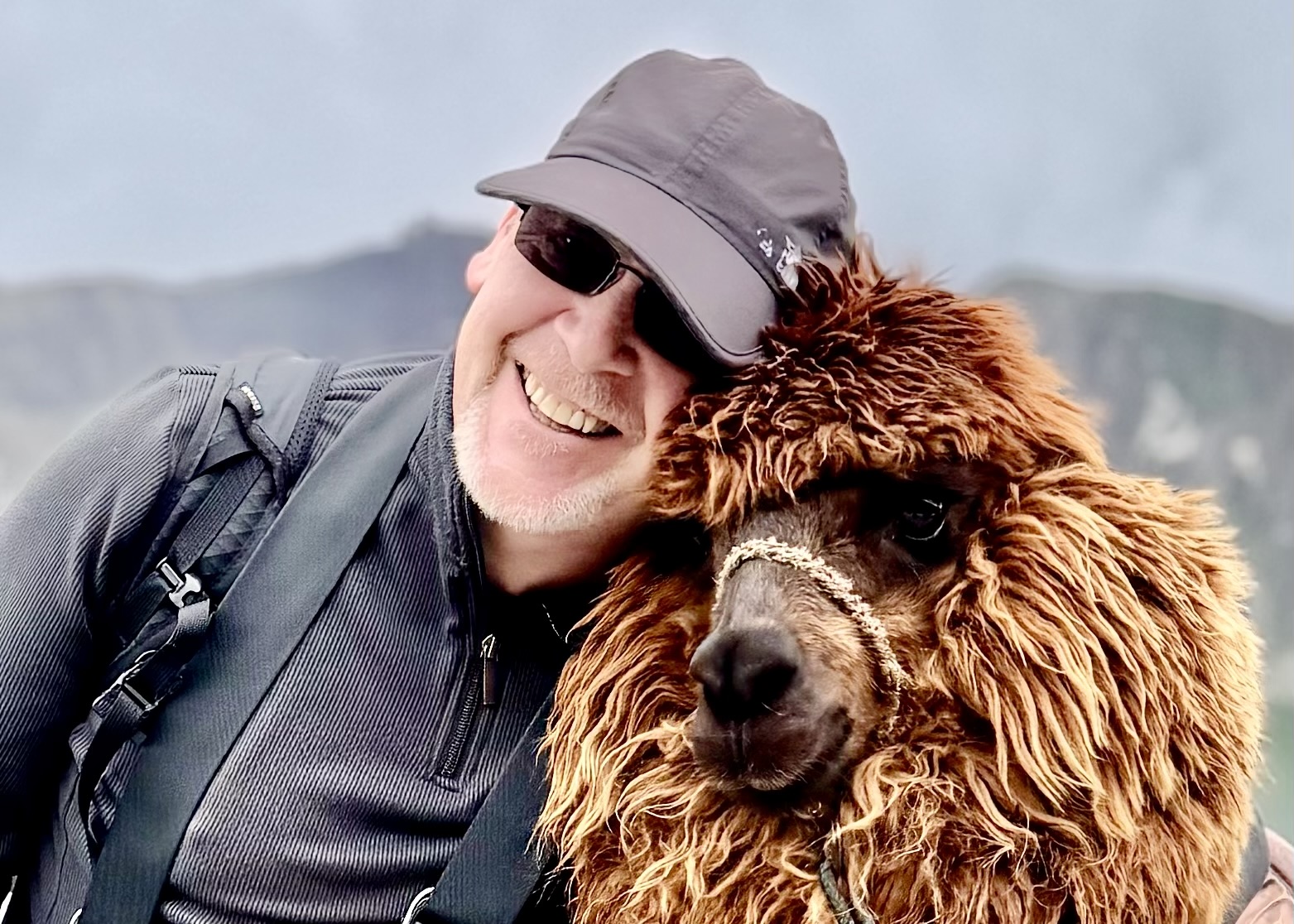
A native of Scotland and an award-winning Creative Director who has honed his skills at some of the most prestigious advertising and design agencies in both the UK and the US. His dynamic approach to creativity has earned him accolades and awards, but it’s his personal pursuits where his true artistry shines. An avid adventurer, Robbie finds peace and solace hiking and exploring the great outdoors. These days it’s through photography that he channels his passion for creativity and artistic vision, capturing the essence of nature’s beauty. His vibrant images reveal the intricate play of natural light, amplifying the allure of his subjects and offering viewers a fresh perspective on the world around them. Robbie resides in Boston, Massachusetts, and embarks on extensive travels throughout the United States and beyond.